
Four Rivers and Four Kingdoms


For anyone who follows Middle Eastern politics and history even a little, the cycles of aggression and conflict between different groups in the region never end. Frankly, that is not new. It has been this way ever since the beginning. There seems to be an unending struggle as new hungry powers rise to prominence with each passing age and generation. I wanted to share a curious midrash with you that pertains to this topic. If you are new to this verbal art form, midrash is a rabbinic teaching, a story told with the intention of making a spiritual impact. This particular midrash is quite ancient, written down in the 4th-5th century CE, but likely of much older origins. It was designed to instruct and inspire us, to help us see spiritual truths more deeply, in a way similar to how the parables do in the gospels.
The story I want to relate is about four rivers and four kingdoms. It might remind you somewhat of Revelation, though, because it addresses the prophetic and symbolic visions of the future. Naturally, don't take it literally as you read it, because its central message is buried within the story's symbolism and unique language.
Rabbi Tanhum said in the name of Rabbi Yehoshua ben Levi: In the future, the Holy One blessed be He will give the nations to drink from the cup of terror, from the place from which hadin (the judgment) emerges. What is the source? “A river emerged from Eden to water the garden, and from there it parted” – “and became four rivers.” It is not written here "four rivers", but rather, “and became four headwaters (rashim)” – these are the four kingdoms, which correspond to the four headwaters. “The name of the one is Pishon” – this refers to Babylon, after: “Its horsemen come from afar (pashu)” (Habakkuk 1:8)…“And the name of the second river is Gihon” – this refers to Media, as Haman would decimate its people like a serpent, after: “Upon your belly (gehonekha) you shall go” (Gen 3:14)… “Tigris (Hidekel) ” – this name refers to Greece, which was quick (kala) and harsh (hada) in its edicts and decrees. Rav Huna said in the name of Rav Aha: All the kingdoms may be called after Ashur (Assyria) because they all enrich themselves (mitasherot) through Israel. Rabbi Yosei bar Ḥanina added: All the kingdoms may be called after Nineveh because they adorn themselves (mitnaot) through Israel. Rabbi Yosei bar Halafta also said: All the nations are called after Egypt (Mitzrayim) because they distress (metzirot) Israel. “The fourth river is Euphrates (Perat)” – this refers to Edom. Perat is called by this name because it voided (hefera) and distressed his (Jacob’s) descendants. Perat – because it brings fertility (para) and abundance due to the blessing of the elder (Isaac). Perat is the name because in the future I will exact retribution (lehipara) against it. But Perat after its demise: “I alone have trodden the winepress (pura)…” (Isaiah 63:3). (Bereshit Rabbah 16)
 Pinchas Shir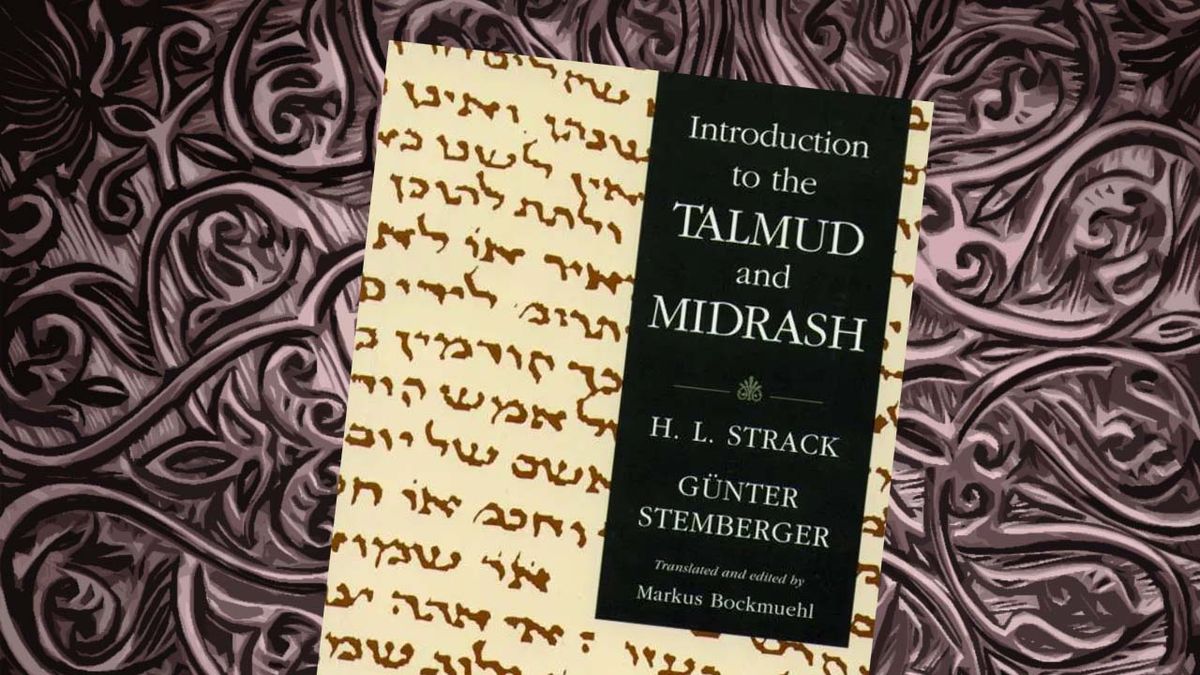
Students of Hebrew and Aramaic would appreciate the verbal puns scattered throughout this text. This translation intentionally highlights the key terms in play. The border aim, however, is to follow the conceptual trails of logic that the rabbis create as they offer their commentary, which goes back to the third or fourth century CE. They speak of four rivers and four kingdoms, each with oppressive and destructive power, all originating in the Mesopotamian region. Why? Because each mighty kingdom that brought war to Israel's doorstep sought to rule that ancient area of the four rivers. Rivers are everything in the Middle East. But the rivers are very problematic themselves if one examines their names and their geography is tied to the enigmatic descriptions of Eden in Torah.
The midrash sort of builds on Daniel's visions of the four kingdoms and beasts (Daniel 2:31-45, 7:1-28). It interprets the Edenic rivers symbolically, seeing them as prophetic glimpses of the empires that would dominate the Jewish people. The geographical reality of Eden thus becomes a divine blueprint for understanding historical suffering and redemption, with the same God who created the rivers orchestrating the rise and fall of nations. Daniel 2:21 says, "He changes times and seasons; He removes kings and sets up kings." Babylon, Persia, Greece, and Rome (Edom is rabbinic shorthand for Rome), these four kingdoms connected to the four rivers, represent the four exiles of Israel, and they complete the cycle of exile and divine redemption. The cup of God's anger, the cup of staggering and shaking (Is 51:17, 22; Jer 25:15), and even judgment (Ezek 21:33) is what God makes the warring nations drink.
What is significant about number four? Besides the four exiles (galuyot; גָּלֻיּוֹת) of Israel, it is a symbol of something comprehensive, possibly even ultimate power and authority. There are many instances of four out there. The four cups and promises of Passover in (Mishnah, Pesachim 10:1), four Sukkot species (Leviticus 23:40), Asiyah, Yetzirah, Beriah, and Atzilut - the four worlds in Jewish mystical tradition, and even four winds and four corners of the world (1 Enoch 18:6-9).
But perhaps the most picturesque symbol of four is that God's covenant name (YHVH, יהוה) revealed to Moses (Ex 3:13-14) consists of four letters. Its letters and their meaning are inextricably tied to "existence" and "being." Some may even be tempted to describe that with the word "history," but that is a human construct that seeks to understand our limited impact on the world. The Most High simply "was, is, and will be," and other factors of four are all tied to him because he defines all reality and existence.
Thus, this symbolic framework of midrash about four rivers and four kingdoms reflects a fundamental Jewish understanding that history unfolds according to divine patterns established at creation, displayed in his nature, where even the geography of Eden prefigures the rise and fall of empires. And all of that should merely lead us to placing our faith and trust in the one (YHVH, יהוה) who truly reigns and always has.
If you have enjoyed this article, I have recently published a book that is full of insights from ancient Jewish books similar to this one. It's available in Kindle format, in paperback, and in audio. The book needs reviews from readers, and you can be one of the first to offer some feedback.
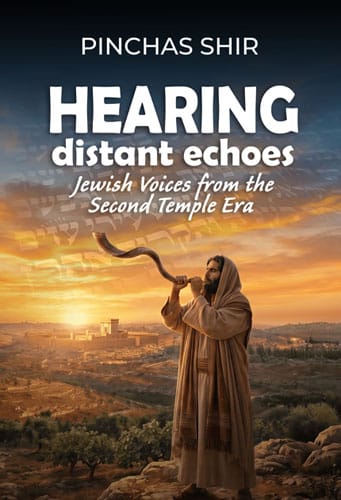
Hearing Distant Echoes
This book captures many ancient voices, a collection of literary excerpts from ancient Jewish books: Jubilees, Josephus, 4 Ezra, Qumran Scrolls, Talmud, Enoch, Baruch, Maccabees, Mishna, Judith, Apocalypse of Moses, Philo, Mishna, Ben Sira, and many others, fifty passages to be exact. The excerpts are mostly short, sometimes even intentionally abbreviated to be easily digested in small bites. They speak about the dynamics of prayer, experiences at the temple, God’s spirit, resurrection, sin, defilement, purity, friendship, heaven, etc. Some focus on the visions of the glorious Messiah; others on the dread of divine judgment to come. Some tell stories, and others seek to express reverence and simply praise God for his mighty works. These selected passages from extrabiblical books are meant to aid inquisitive students of antiquity to peer behind the veil of history and see the nuances of faith and culture, diverse beliefs, and practices of ancient Jews as they themselves expressed them in antiquity.