
A Two-Thousand-Year-Old Stone Vessel Factory


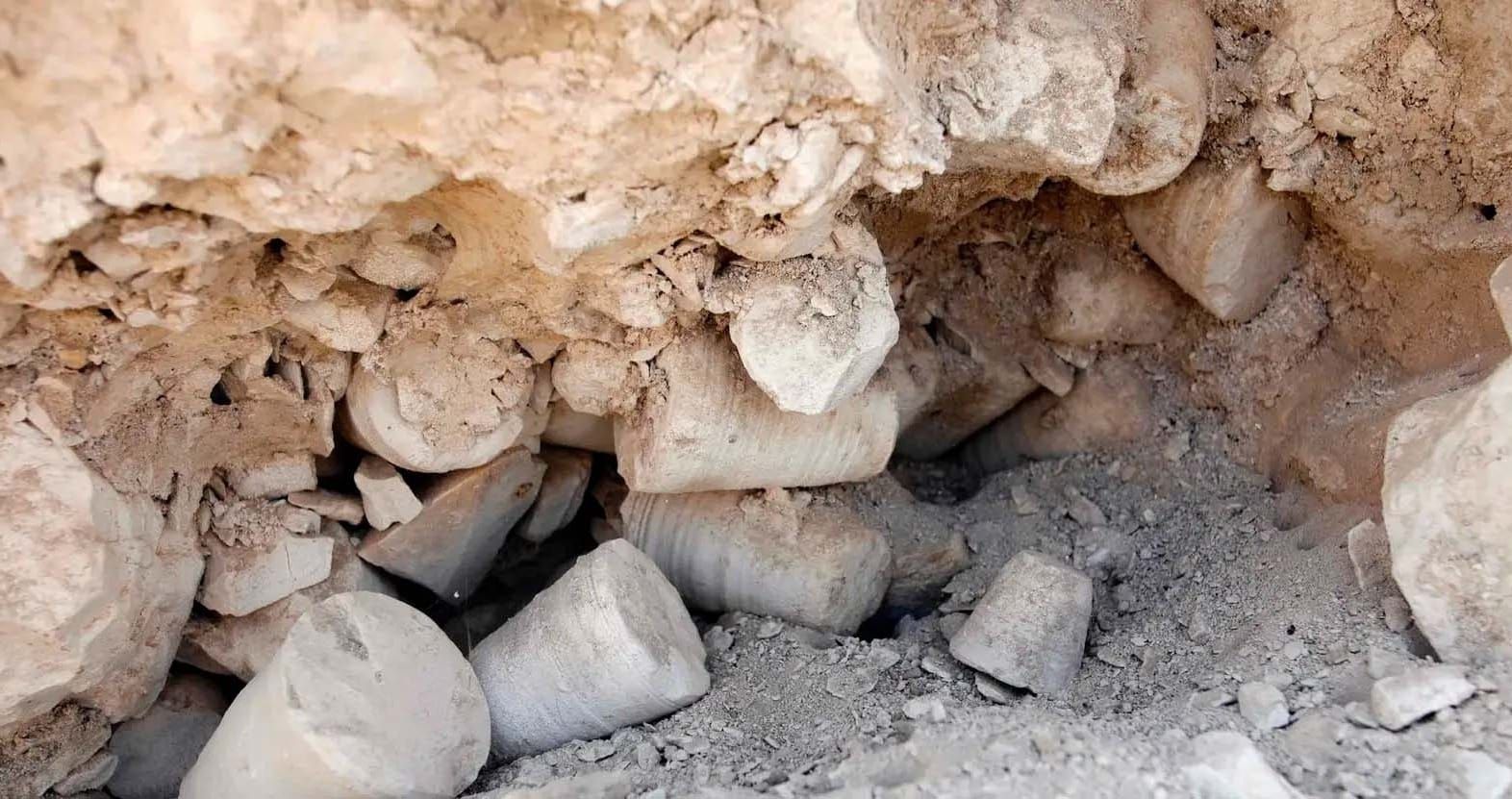
A rare workshop for the production of chalkstone vessels, dated to the Roman period, is being excavated and studied at Reina in Lower Galilee. Excavations are unearthing a cave in which archaeologists have found thousands of chalkstone cores and other types of production waste, including fragments of stone mugs and bowls in various stages of production. The ancient site was uncovered during the course of construction work at a municipal sports center conducted by the Reina local council. This is the fourth workshop of its kind ever to have been uncovered in Israel.
At first glance, the stone vessels featured in this video may look like ordinary cups, bowls, and storage containers. But during the late Second Temple period, these objects had a particular significance in Jewish life. The Torah makes an important distinction between different kinds of vessels. When an earthenware vessel became ritually impure through certain forms of contamination, it could not simply be washed and reused. It had to be broken (Lev 11:33; 15:12). Stone vessels, however, were regarded in Jewish purity practice as resistant to ritual impurity. This made them especially useful for people concerned with maintaining ritual purity in their homes and daily lives.
 Pinchas Shir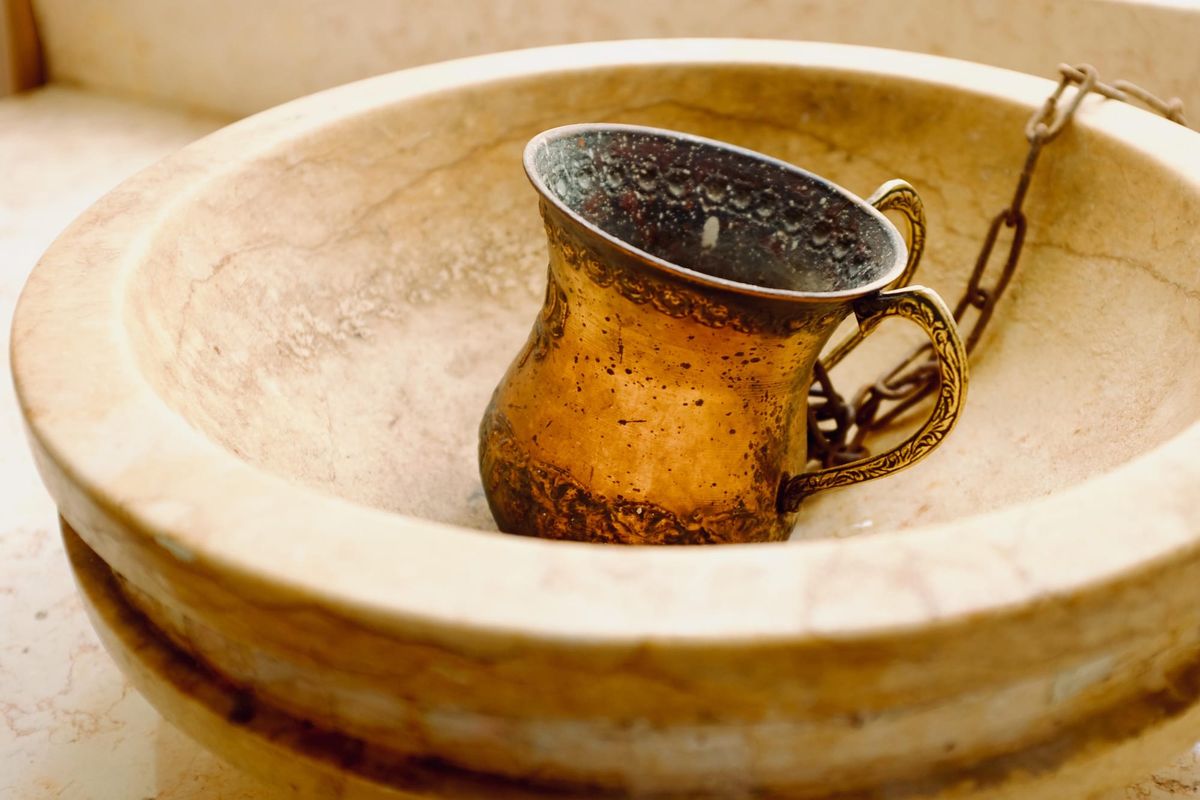
Archaeological discoveries have given us a remarkable glimpse into this practice. Stone vessels carved from soft limestone were produced in considerable quantities throughout the late Second Temple period, particularly in Galilee and Judea. The production center discussed in this video provides physical evidence that this was not merely an unusual luxury item. There was an actual industry devoted to producing these vessels for Jewish consumers.
The timing is significant. These objects belong to the same general world in which Jewish concerns about purity extended far beyond the Temple itself. Purity affected meals, vessels, food preparation, ritual washing, and the ordinary activities of Jewish households. The later Mishnah preserves extensive discussions of the purity of vessels, including the distinctive status of stone vessels (Mishnah, Kelim 2:1; 10:1).
This helps us understand something about everyday Jewish life in the first century. Ritual purity was not simply a priestly concern confined to the Jerusalem Temple. For many Jews, holiness was something that could affect the kitchen table as well as the Temple courtyard. The stone vessels discovered by archaeologists are therefore more than ancient household objects. They are physical evidence of a Jewish society attempting to incorporate the biblical concept of holiness and purity into the routines of everyday life.
NIV Cultural Backgrounds Study Bible
The notes in this Study Bible are very helpful. It is packed with expert insight into the customs, culture, and literature of biblical times. These fascinating explanations will serve to clarify your study of the Scriptures, reinforcing your confidence and bringing difficult passages of Scripture into sharp focus.