Ten Sacrifices offered on Yom Kippur

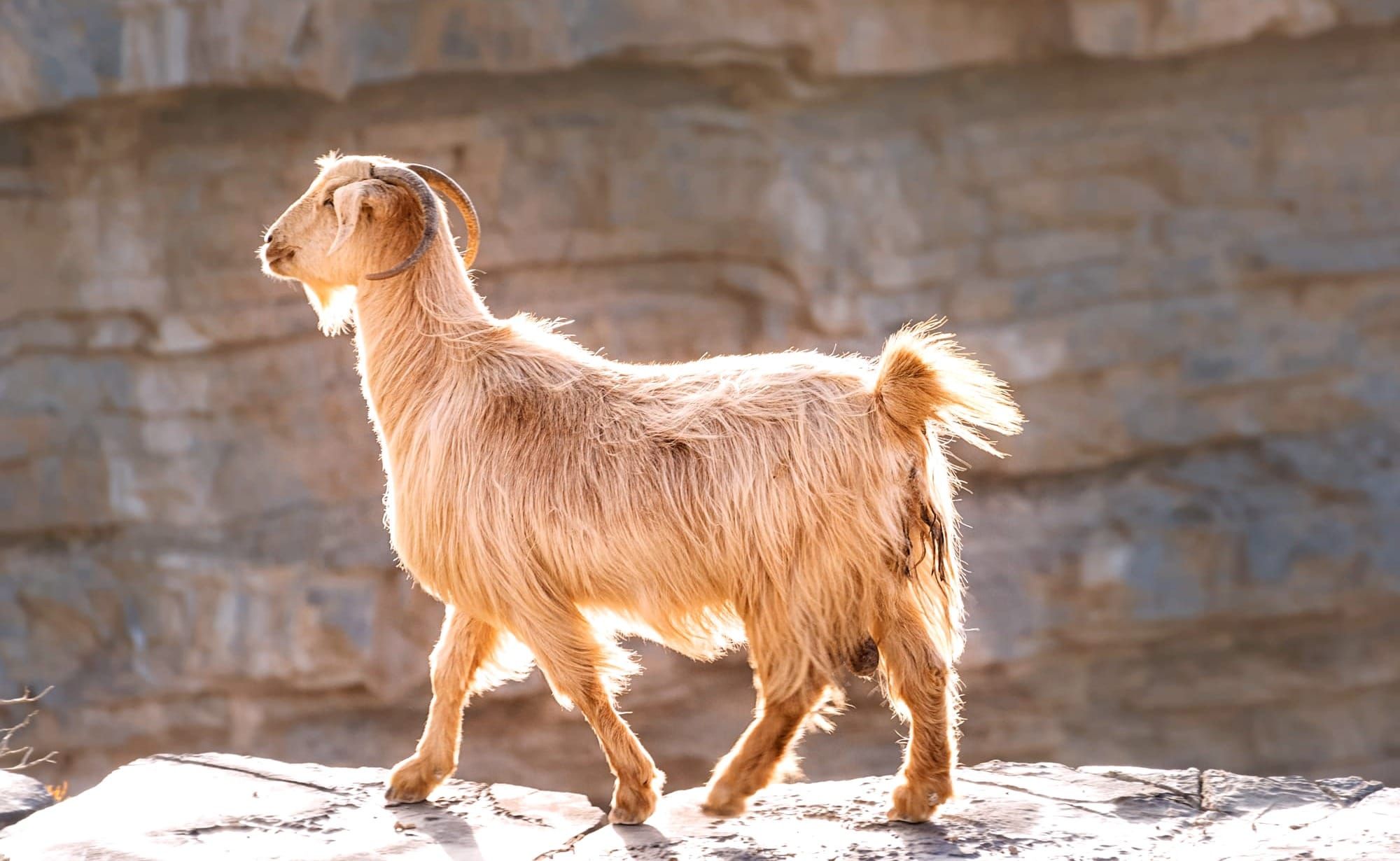
In Numbers 29, the Torah speaks of sacrifices that should be brought on a very special day, on Yom Kippur. The day is called a day of purification because that is what these sacrifices are supposed to represent. Numbers 7-11 outline the list of offerings. Torah says, “You shall present a burnt offering to the LORD as a soothing aroma: one bull, one ram, seven male lambs one year old, having them without defect”... it also adds, “one male goat for a sin offering.”
Depending on how one reads the text, there could be a lesson here for us within the Hebrew names of the animals themselves. There is 1 Bull - par (פַּר), which in Hebrew can signify fruitfulness. 1 Ram - ayil (אַיִל) could represent a pillar, strength, or might in Hebrew. Then 7 Lambs - kevasim (כְּבָשִׂים) can represent something that is calm and subdued, something under control. And 1 Shaggy Goat - sair (שָׂעִיר) is a symbol of something wild, unkept, unruly. Ten animals in total.
Looking at the possible messages behind the names, the Atonement, the Yom Kippur purification, is achieved through the sacrifice of 10 very specific things. First, what we produce, our fruitfulness, the results of our work, is something we always lay on God's altar. Second, to that we add a measure of our strength, our most earnest efforts. Third, come the seven things we keep stable, calm, and under control. There are always at least seven things (often more) that we work to subdue, control, and manage better in our lives. The exact number is not the point, by the way. Either in ourselves or outside of ourselves, there are typically more such matters in our lives than one or two.
And lastly, there is always at least one stubborn, shaggy, and disheveled-looking goat, something we are least proud of, something that embarrasses us, something that causes us discomfort when it is brought up. We all have our goats, I imagine. And all of that is offered to God for purification, for our cleansing on Yom Kippur. Year after year we do this. We come clean because we desire harmony with God.
You may not personally connect with the idea of animal sacrifices and burnt offerings. But it is humbling to realize that behind the names of these sacrificial animals in the Hebrew Bible stand some very personal things that Israel, as a community of faith, was told to bring before Hashem. And perhaps that is one of the points of this special day and this sacred ritual, if we allow ourselves to look beyond the plain and obvious.
Torah is meant to speak to us on multiple levels. Of course, understanding the literal contexts is always the foundation. But beyond the simple, we should seek the depth, and often something that is very personal to us. Don't take what I shared with you as objective remarks. This is only one facet that I myself saw when I considered the names of the sacrificial animals. I decided to share what I saw with you because maybe that is what you needed to see.
 Pinchas Shir
 Pinchas Shir
 Pinchas Shir