Why do Bible Translations Differ So Much?


There are numerous Bible translations available in English. The number of options is related to the consumer market. English speakers spend more money on Bibles than many others; hence, the marketplace offers consumers a greater variety of choices competing for prominence and influence. Ultimately, publishing books is a complicated undertaking, whether it involves Bibles or spy novels. Because the original text of the Bible is in ancient languages, producing a new, original, and accurate translation backed by expert scholarship requires a significant investment of time and resources. Many modern English Bible translations are very good, yet they differ when compared. I always encourage my students to use multiple Bible translations simultaneously as they study, especially if they don't consult the original. The translation differences they notice as they read usually mean that the text is not plain and simple, and nuance might be worth investigating deeper.
Just recently, I was going over a passage in Romans during a lecture and showcased an array of translation options for just one verse.
But now, irrespective of law, the righteousness of God has been disclosed, and is attested by the law and the prophets, the righteousness of God through faith in Jesus Christ for all who believe. (Rom 3:21-22 NASB)
"righteousness is given through faith in Jesus Christ" (NIV)
"righteousness of God through faith in Jesus Christ" (ESV)
"righteousness of God through faith in Jesus Christ" (RSVCE)
"righteousness of God which is by faith of Jesus Christ" (KJV)
"righteousness of God through the faith of Jesus Christ" (NRSV)
"righteousness of God through the faithfulness of Jesus Christ (NET)
"righteousness of God through putting trust in Messiah Yeshua" (TLV)
"righteousness that comes from God, through the faithfulness of Yeshua the Messiah (CJB)
The answer to why Bible translations differ is complicated. The factors, such as manuscript families, theological commitments, skill level, project goals, and preferences of translators themselves, are just a few possible reasons. One aspect that is not as obvious to many people is the nature of the English language itself. English is considered a Germanic language (related to German), but the original languages of the Bible are Hebrew, Aramaic, and Koine Judeo-Greek. They are not at all related, and the way grammar flows from one language to another is very different. And this is where many translation problems could arise.
 Pinchas Shir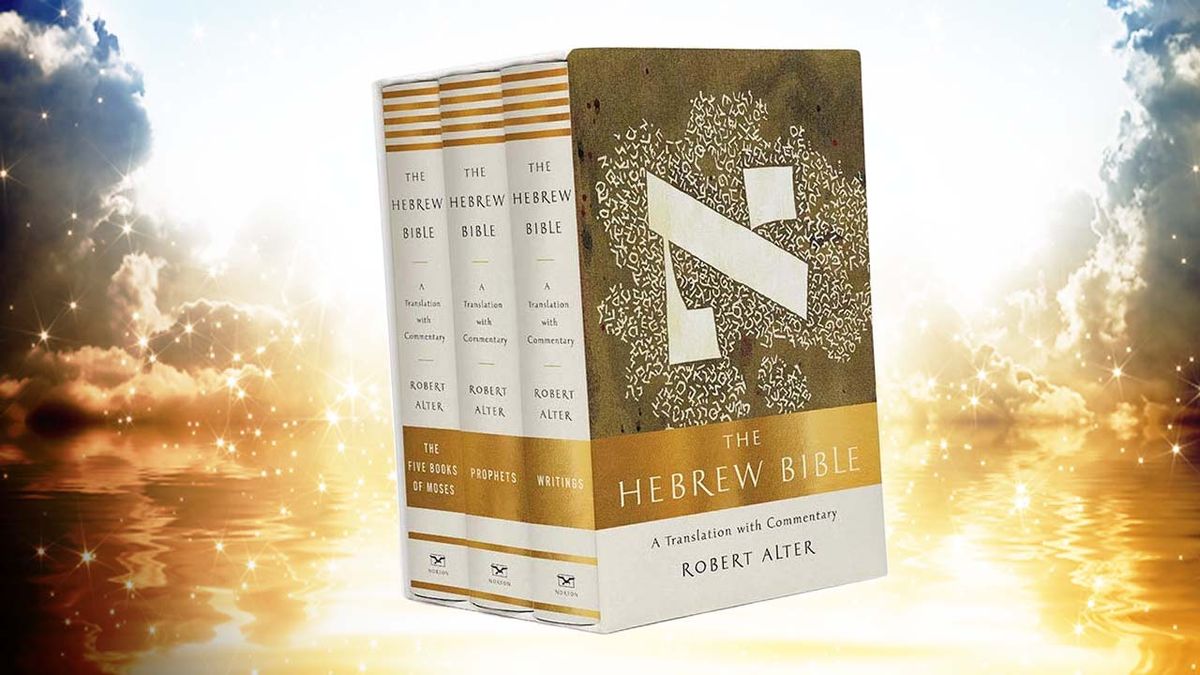
If you don't speak multiple languages, the reason I am highlighting now probably isn't very obvious to you. But that is OK, I found a funny video that demonstrates what it would sound like if one speaks English but builds sentences based on German grammar rules. It shows what happens when one uses precise and literal terminology unique to German while actually speaking English. If you watch it, I promise it will give you a chuckle.
Sometimes the Bible sounds like that. This is one of the reasons why the translations of foreign texts, including the Bible, sometimes sound the way they do. You can see how transferring meaning from one language to another can become confusing and not very smooth. Translations have been polished so you don't see these occurrences, as all languages have their own unique idiosyncrasies. And English is a Germanic language, so presumably this should not be that hard between English and German. But texts in ancient Hebrew and Greek are much further apart from both English and German.
So perhaps now you can imagine how creative people have to be and appreciate the hard work translators put into making it all work and sound good. A great deal of polishing work and numerous word choices go into an eloquent translation. It's those decisions that create many of the wording differences. And often one translator may see or capture something better than another one. Hence, my advice is not to settle for a single translation but to use multiple sources when studying in English.

Missing Ingredients: Your Bible Study Recipe
The book title contains an idiom that implies the absence of several fundamental techniques frequently missing in a typical Bible study. And that is what the book is all about! Each time these "missing ingredients" can be added to the recipe of how one studies the Bible, they produce better results. Curious? Then this book is for you.