
The Synagogue of Freedmen in First Century Jerusalem

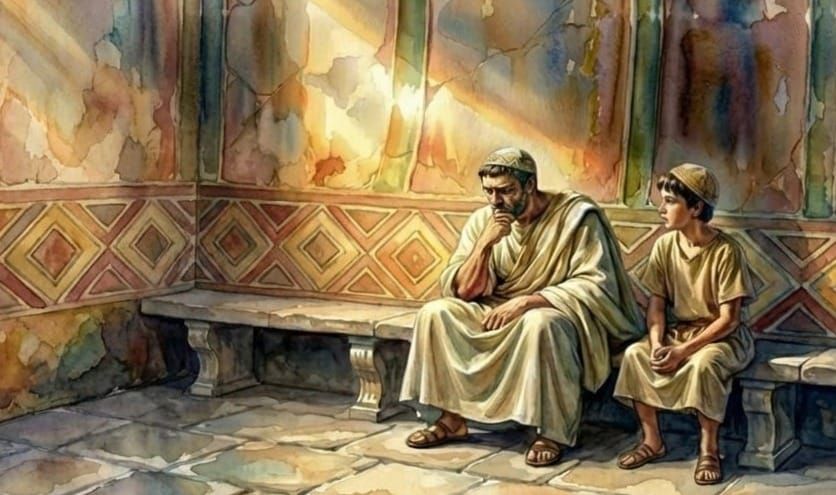
The Synagogue of Freedmen (sunagogeh ton libertinon; συναγωγή των Λιβερτίνων) is mentioned in Acts 6:9. The Greek term "Freedmen" (Libertinos; Λιβερτῖνος) is unfamiliar to many modern people. But it is a loanword from Latin libertini, and designates those who were "freed slaves." In the Roman world, this term denoted social status, typically to distinguish oneself from someone who was never a slave, "a freeborn" and thus of higher status in the Roman social order.
In Acts 6:9, those who belonged to this synagogue, together with Cyrenian, Alexandrian, Cilician, and Asian Jews, argued with Stephen, one of the deacons (servants) in the first-century Jerusalem Assembly. As a result of this theological dispute, the story tells us how Stephen was falsely accused of blasphemy, tried on the spot, and stoned outside the city (Acts 6:11-7:59). As scholars consider this passage, only a handful of historical references provide clues to the nature and composition of this Synagogue of Freedmen in Jerusalem, producing multiple scholarly theories and speculations.
According to the New Testament, Josephus and rabbinic sources in the first century there were hundreds of synagogues across Israel. (Mark 1:21; Luke 7:1; Acts 9:2; Babylonian Talmud, Ketubot 105a, Tosefta, Sukkah 4.5, Josephus, War 2. 285-290, Life 277, Antiquities XIX. 300). Despite the temple being the central place of worship, Jerusalem had many synagogues because they functioned as parallel institutions that supported the temple. The book of Acts mentions one of these Jerusalem synagogues that bears an unusual name.
And Stephen, full of grace and power, did great wonders and signs among the people. Then some of those who belonged to the synagogue of the Freedmen (as it was called), and of the Cyre′nians, and of the Alexandrians, and of those from Cili′cia and Asia, arose and disputed with Stephen. But they could not withstand the wisdom and the Spirit with which he spoke. (Acts 6:8-10 RSV)