Members only >Audio Be One More In the weekly Torah reading Vayera (Gen 18-22), we read the story of Sodom and Amorah. It is a story of true sinners in the hands of an angry God. Only things are a bit different for them. They have an unexpected advocate. In Torah, we encounter Abram and
Audio Hope in Revelation The role of the prophet is not to predict what is to come, but to speak into their present moment, so how does Revelation fit into the prophetic category? We also discuss how the author uses imagery to connect the dots between the ideas of a suffering Messiah and a
Audio Revelation: Pop Culture and Armageddon Have you been fascinated by the Book of Revelation but felt that something must be missing in modern interpretations of this anti-Roman, Jewish document? Revelation is an extremely multifaceted book filled with rich cultural imagery and allusions that many people simply misread. Why? Because they know too little about
Audio Revelation: The end of the world...or is it? What is apocalyptic literature, and how does it change the way we read Revelation? What were the cultural developments that birthed the apocalyptic genre, and is that genre a Greco-Roman or Jewish style of literature? This week we talk about the overall context of Revelation and why pop culture
Paid-members only >Audio Be The Light In Gen 1:14-19 the Torah says that Hashem has set the lights in the sky for several reasons. First - to separate the day from the night. Second - to serve as signs for the times, days, and years. In other words to display stable predictable patterns to help us
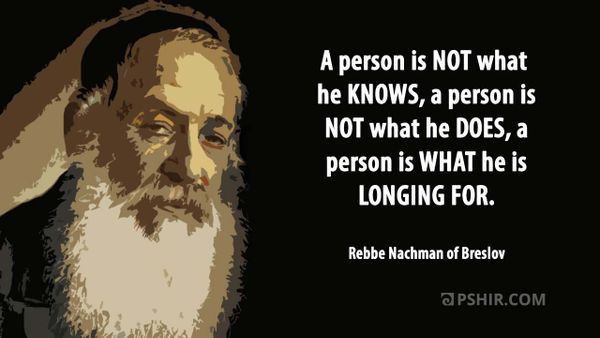
Audio A person is not what he knows... Rebbe Nachman "A person is not what he knows, a person is not what he does. A person is what he is longing for." Rabbe Nachman of Breslov When making an acquaintance, it is common for people to ask each other what they do for a living. Occupations can somewhat
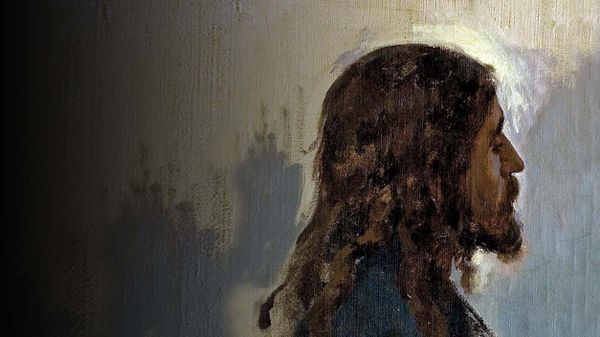
>Audio Was Jesus a Rabbi? Was Jesus a Rabbi? Some people would say yes, some no and some would be unsure how to answer. There is a good reason why the answers are often different. This is not a straightforward question. The term rabbi appeared sometime just prior to the first century CE and its
Paid-members only >Audio From Rabbi to Lord to Jesus (~2hrs) Was Jesus a Rabbi? Some people would say yes, some no and some would be unsure how to answer. There is a good reason why the answers are often different. This is not a straightforward question. The term rabbi appeared sometime just prior to the first century CE and its
Paid-members only >Audio The Psalms of Solomon 1-3 Audio The Psalms of Solomon are a collection of eighteen Jewish poetic compositions from around the second or first century BCE. They were originally composed in Hebrew or possibly in Aramaic. But the oldest manuscripts that have survived to our times are the Greek and Syrian Aramaic translations of the original
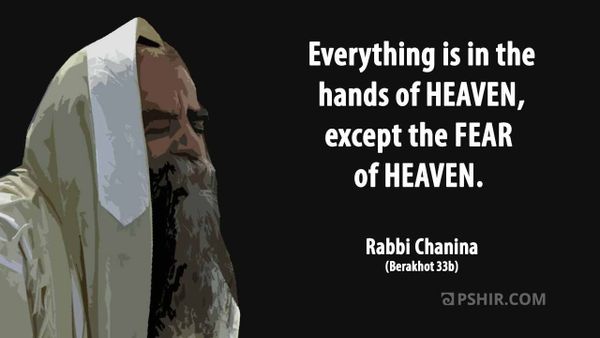
Audio Everything is in the hands... Rabbi Chanina "Everything is in the hands of heaven except the fear of heaven" Rabbi Chanina (Berakhot 33b) When Rabbi Chanina mentions the "fear of heaven" - he means "the fear of God". And by "fear" he does not mean fear as most people see
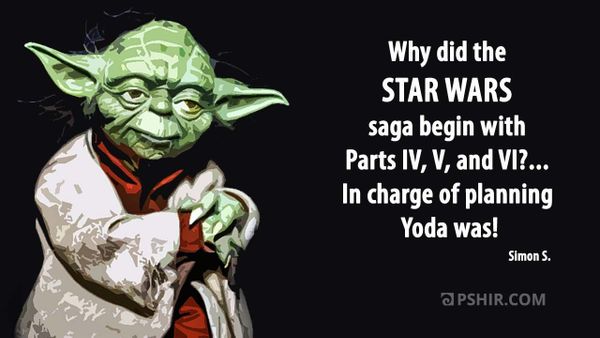
Audio The Star Wars Saga... > Why did the Star Wars Saga begin with Parts IV, V, and VI? In charge of planning, Yoda was! > Simon S. Star Wars0:00/1:321×If you are a Star Wars fan, you might be chuckling, right now. And if you are not a Star Wars fan
Paid-members only >Audio Privileges and Responsibilities Uncle Ben said to Peter Parker (Spiderman), “with great power comes great responsibility”. This is not a new idea. Parashat Emor (Leviticus 25) lists many privileges and responsibilities the priests must follow. What can we learn from these instructions?
Paid-members only >Audio Musaf - Additional Offering Torah describes daily obligatory offerings that God commanded to be brought on his altar (Numbers 28). They are called korban Tamid. They are but a token of what we owe truly owe God. But on Shabbat, God expected another offering - Musaf.
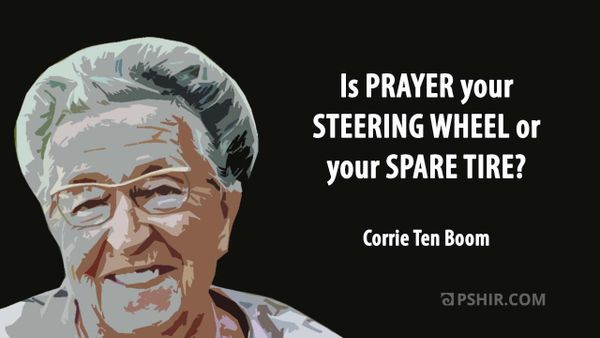
Audio Is prayer your steering wheel?... Corrie Ten Boom > Is prayer your steering wheel or your spare tire? > Corrie Ten Boom Steering0:00/1:281×This saying may sound like a cliche, but you have to consider who said these words. If you have never heard of Corrie Ten Boom, she was a Dutch Christian woman who
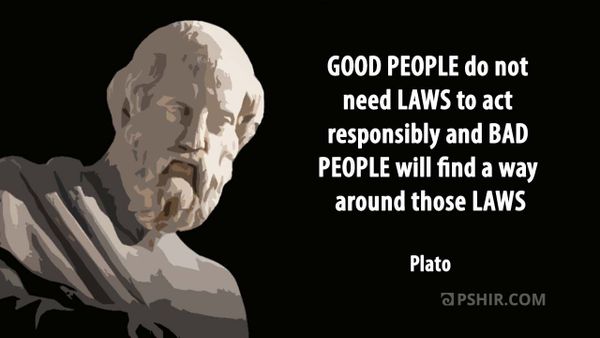
Audio "Good people do not need laws..." Plato > "Good people do not need laws to act responsibly and bad people will find a way around those laws." > Plato Good people do not need laws...0:00/1:311×Many people think that the laws and rules exist only to limit us. And that is
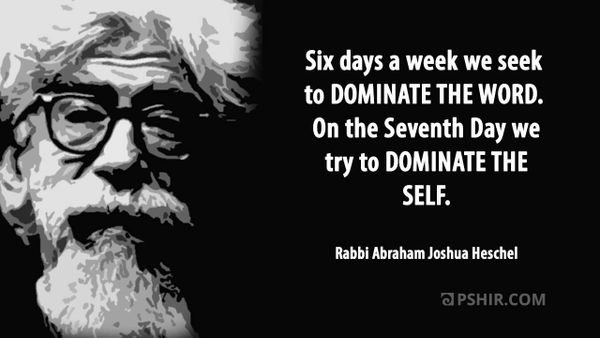
Audio Six Days a Week... Heschel > Six days a week we seek to dominate the world. On the seventh day, we seek to dominate the self. > Rabbi Abraham Joshua Heschel Six Days0:00/1:371×Countless Bible readers have stumbled over verses where God tells Moses to instruct Israelites to sanctify the Sabbath. But
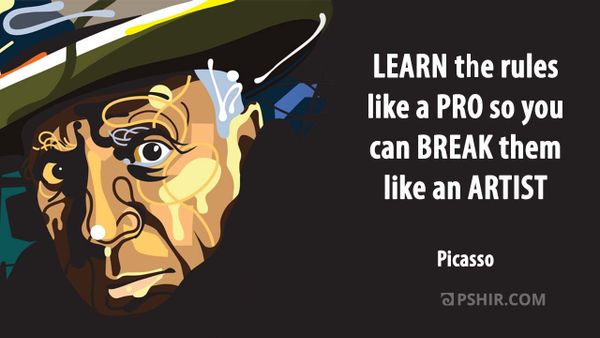
Audio "Learn the Rules..." Picasso > “Learn the rules like a pro, so you can break them like an artist.” > Pablo Picasso Learn the rules...0:00/0:591×Rules are not bad by default. Some rules should not be broken unless we wish to face some dire consequences. But Pablo Picasso was right,
Paid-members only >Audio 03 Hanukkah in First Maccabees Audio This lesson on Hanukkah was recorded live with audience participation. Flavius Josephus describes the days before the Maccabean Revolt. His version is not that different from the book of First Maccabees, which paints those events as a story of heroic struggle for the survival of Jewish ways of life and
Paid-members only >Audio 02 Hanukkah in Josephus Audio his lesson on Hanukkah was recorded live with audience participation. A late first century CE Jewish writer, Josephus Flavius, describes the history of the days before the Maccabean Revolt. How and why did Antiochus IV get involved in Israel’s cultural landscape, and why did he decide to force Israelites
Paid-members only >Audio 01 Three Ways to See Hanukkah Audio This lesson on Hanukkah was recorded live with audience participation. Three ways to see the holiday: Pop-culture, Spiritual and Historical perspectives. How far back do Hanukkah traditions go?