

Discover The World of First Century Rabbis Jesus Knew


It's not uncommon for people to admit today that Jesus was a Jew and even a rabbi. After all that is how his disciples often addressed him (Matt 26:25, 26:49; Mark 9:5, 10:51, 11:21, 14:45; John 1:38, John 1:49, 3:2, 4:31, 6:25, 9:2, 11:8, 20:16) and the parameters in which most people in the gospels interacted him (Matt 4:18-22, 8:19-22, 22:41-46; Mark 1:21-22, Mark 6:2; Mark 12:35-37, Luke 8:1-3, 20:27-40). But if he was truly a first-century rabbi, what does that really mean, and how does that change anything? Countless Jesus-followers might admit they don't know very much about the lives of first-century rabbis and what they cared about the most. Yet that was the world in which Jesus lived, and most of his teachings reflect the concerns and values of that very world.
To remedy this, I offer a series of lectures that help you discover the world of Jesus and his disciples and the culture and values they interacted with every day. Here are some of the most helpful topics that can lead you along this study path.
 Pinchas Shir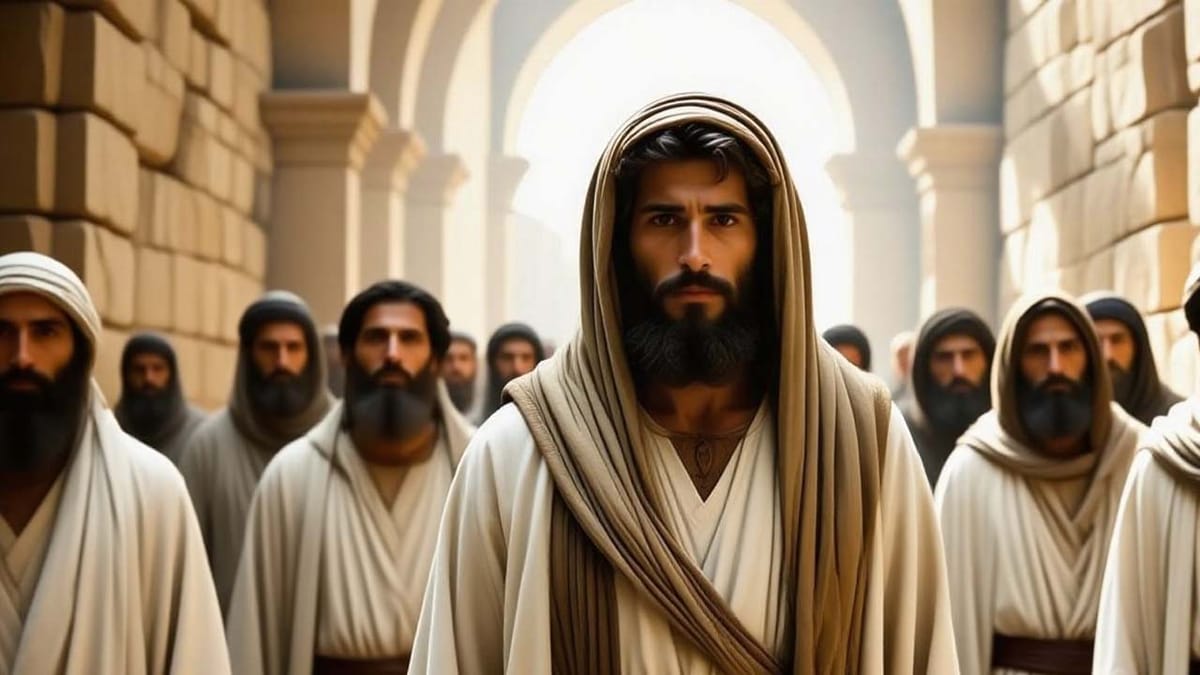
 Pinchas Shir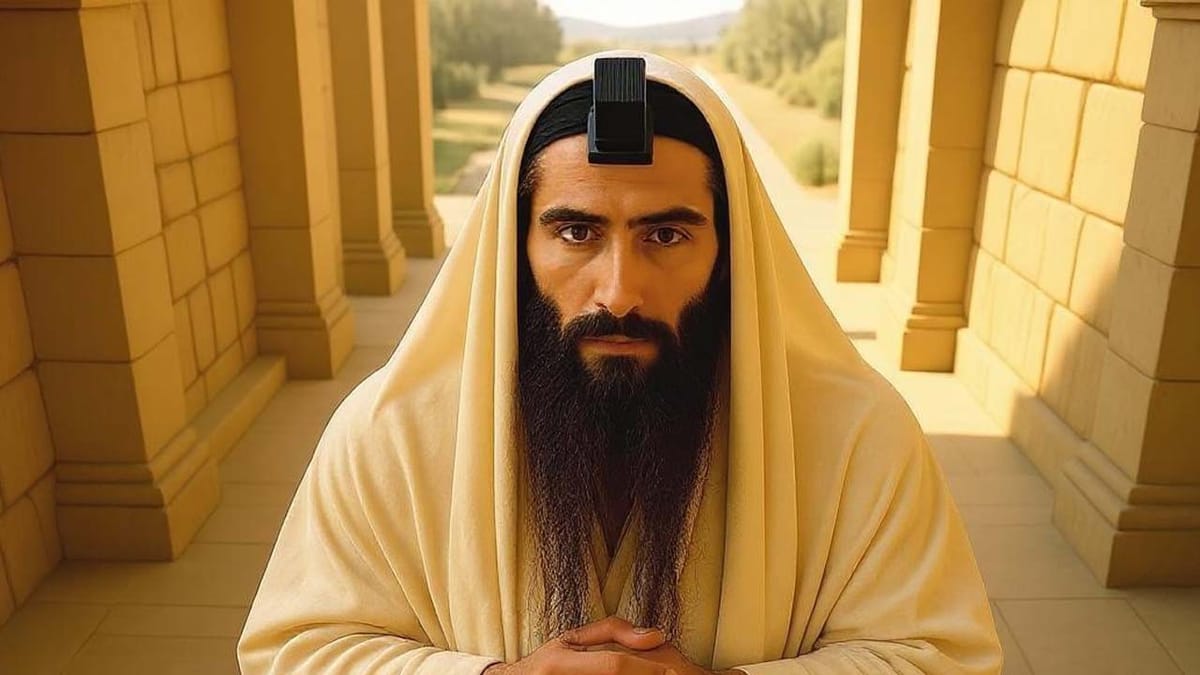
 Pinchas Shir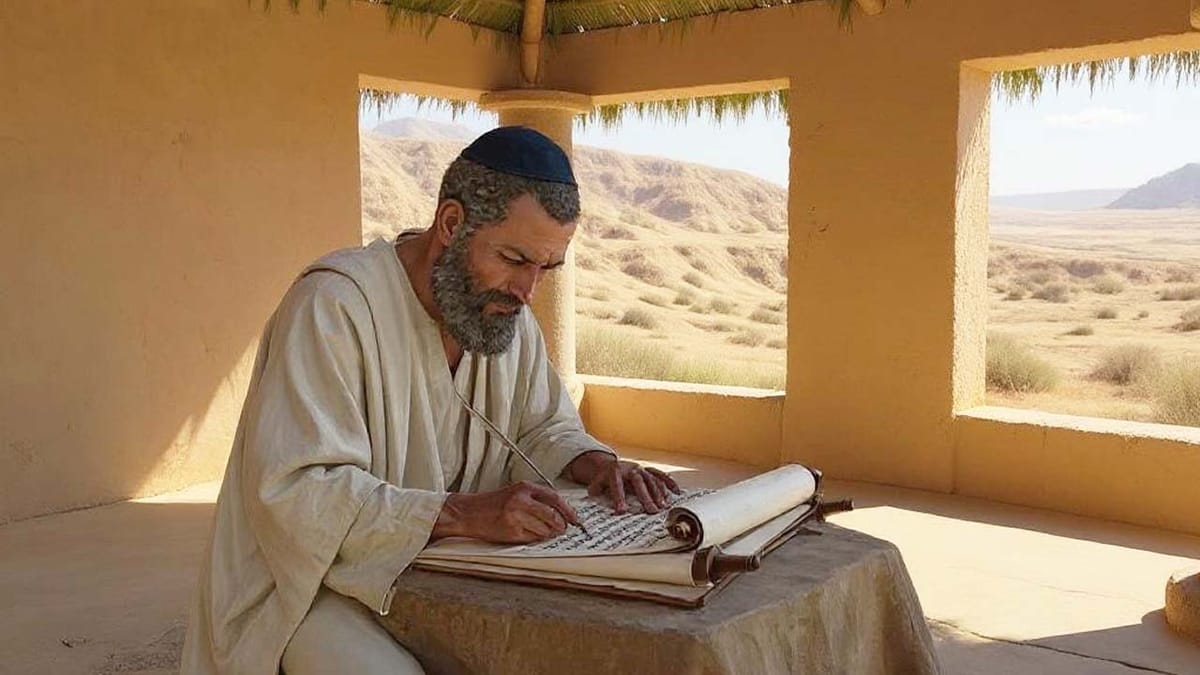
You may also wish to investigate the way Jews worshiped in the First Century in the Jerusalem Temple. In the gospels, Rabbi Jesus was never too far from the temple, and many scenes are set around those worship occasions. In these lectures, I focus on people's worship experiences to better understand the spiritual needs the temple served in antiquity. These sessions are meant for background and primarily focus on what we know from the Bible, Josephus, Mishnah, and broader Jewish literature.
 Pinchas Shir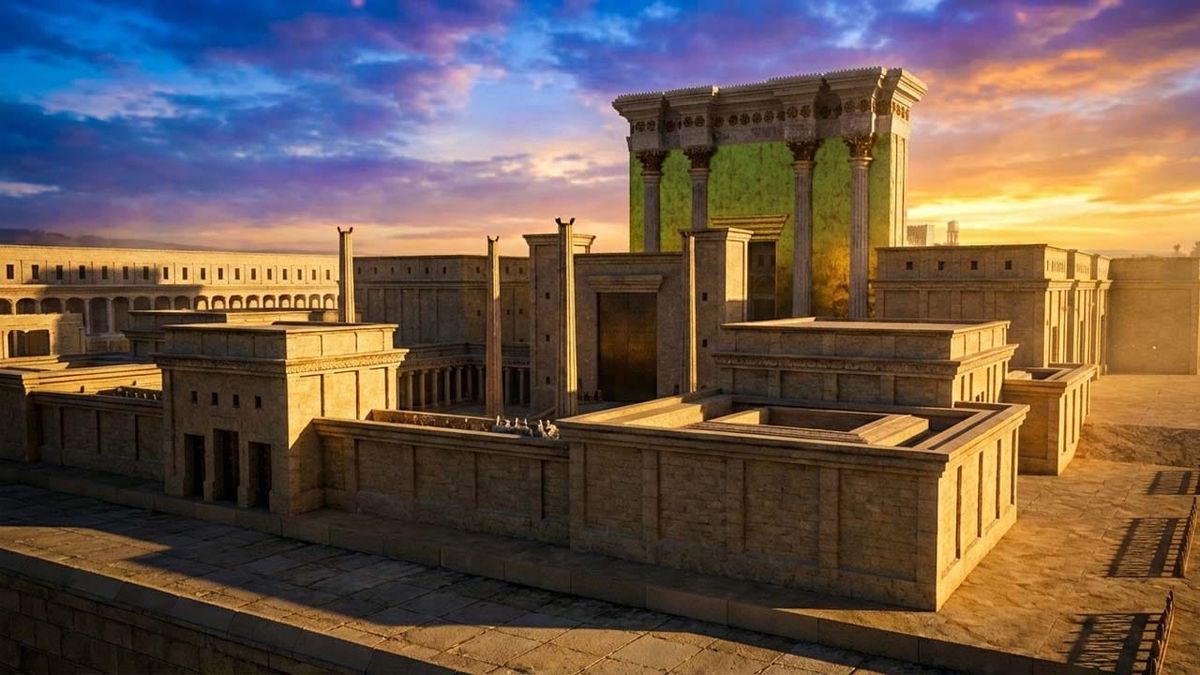
Speaking of the temple, the early church, the ecclesia of Acts, was a Jewish entity that frequented the Jerusalem temple. Their spiritual lives and hopes, their gospel, and many of their practices were also closely tied to their ancestral worship. The rich expressions of their faith need to be understood in context.
 Pinchas Shir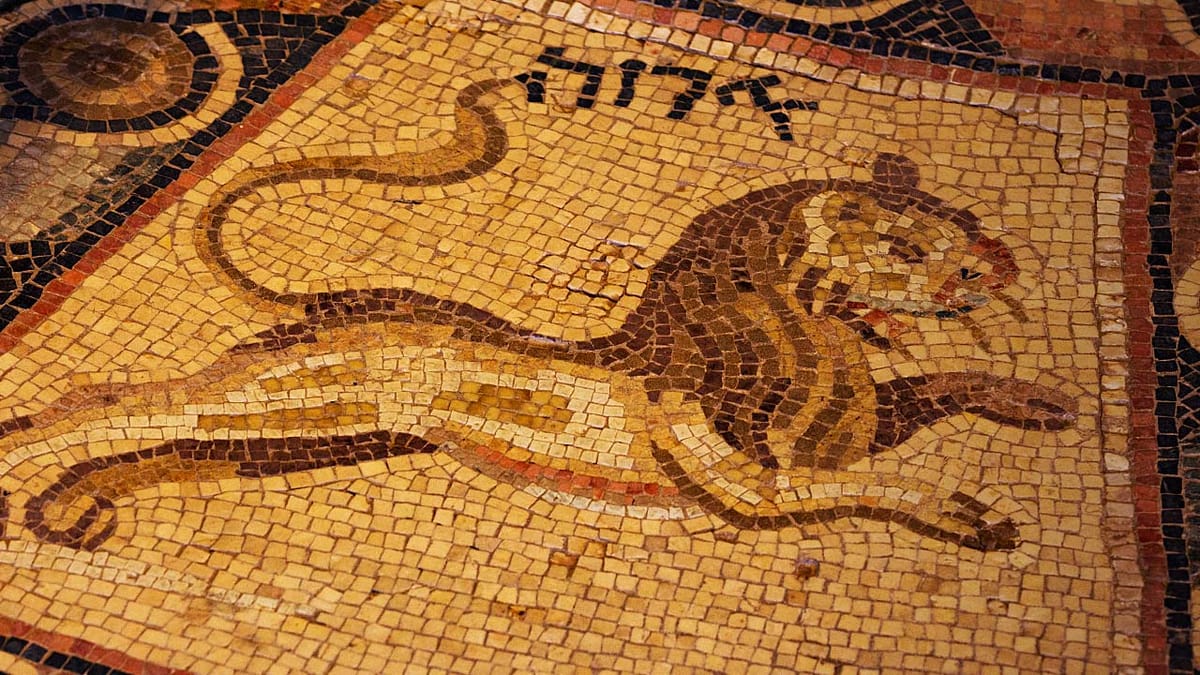
As you study the first-century world of Jesus and his disciples, some topics may surprise you. I put together some interesting ideas about the Holly Spirit in early Judaism that may open your mind to questions you have never considered. And when anyone speaks of the Holy Spirit, Jews to whom we connect the Dead Sea Scrolls seemed to have an affinity for such unique terminology, well before the church ever did.
 Pinchas Shir
 Pinchas Shir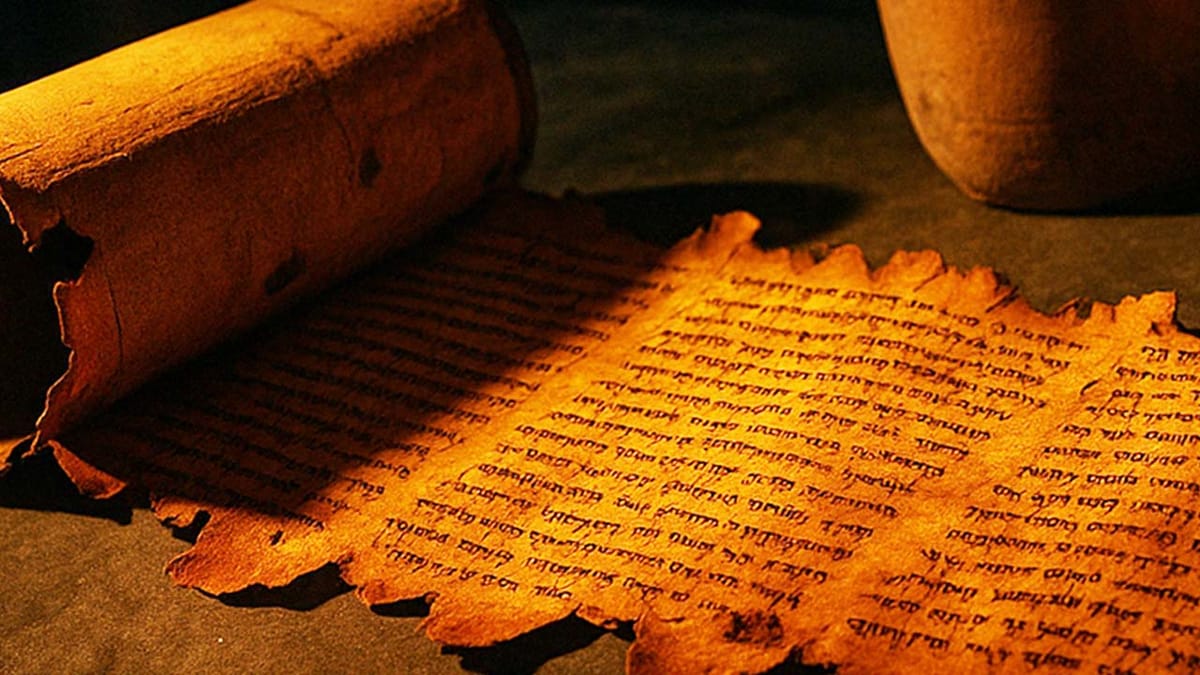
The study trail just keeps meandering and takes you in so many directions. People often think they understand what Jesus meant when he spoke about forgiveness or atonement and redemption. Yet they are oblivious of the ongoing Jewish communal conversation on these topics that the gospels only touch on briefly, but never fully reiterate. There is so much context that makes a huge difference in one's perception and interpretation.
In one of my lecture series, I take on a famous saying in the gospels, and I explain what Yeshua said and what those words actually meant to those who were listening. Explaining the contexts step by step takes time, but it's worthwhile.
 Pinchas Shir
If you have not realized this yet, this topic is broad, and you probably should consider a subscription to PSHIR.COM to take full advantage of the access to exclusive materials and website membership offers. That is what my publication is all about: learning, researching, and going deeper. For a few dollars per month, you can pursue hours and hours of unique and out-of-the-box learning opportunities, month after month. Let's think and grow together!