The Riddle of The Broken Matzah

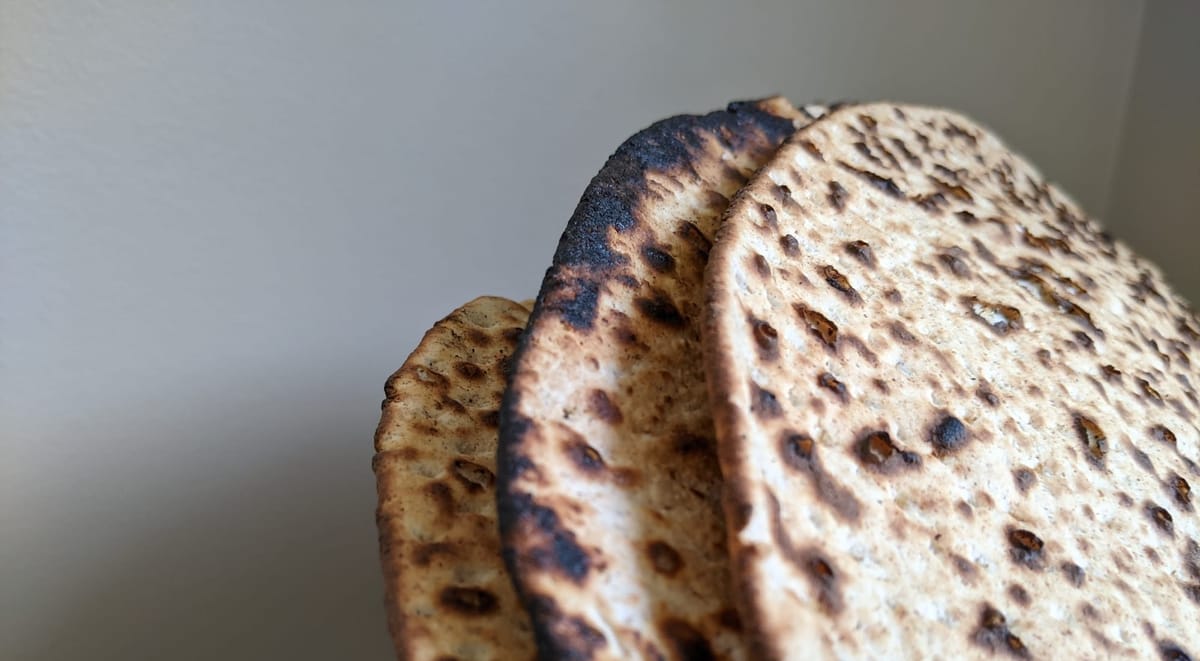
There is no Passover without Matzah. If you're not familiar with it, it's what Jews call the unleavened bread, a tradition dating back to the days of Moses. Every year, Passover is commemorated by eating this simple bread - Matzah (מַצָּה) and also by remembering the story of how this custom began. To make this long story shorter, allow me to summarize. In Torah, God liberated the Israelites from Egypt when they were slaves to Pharaoh and commanded people to eat this bread as a reminder of the Exodus experience (Ex 1:8–14, 12:8, 15-20; Deut 16:3, 8). Thus, eating unleavened bread on Passover became a statement of commemorating the past and celebrating the great future deliverance.
As a bread product, Matzah is very simple: just flour and water. But the riddle I want to unravel is about a very unusual piece of Matzah. As people celebrate Passover, this particular piece is broken, wrapped in a cloth, and hidden shortly after the formal celebration begins. It's called by an unusual name - Afikomen (אֲפִיקוֹמַן). The Seder (סֵדֶר), the traditional Passover banquet, is all about explaining and teaching about God's deliverance, yet this breaking-and-hiding ritual and its symbolism are often left unexplained, or at least not clearly emphasized in traditional storytelling. And that adds more to this hidden Matzah riddle.
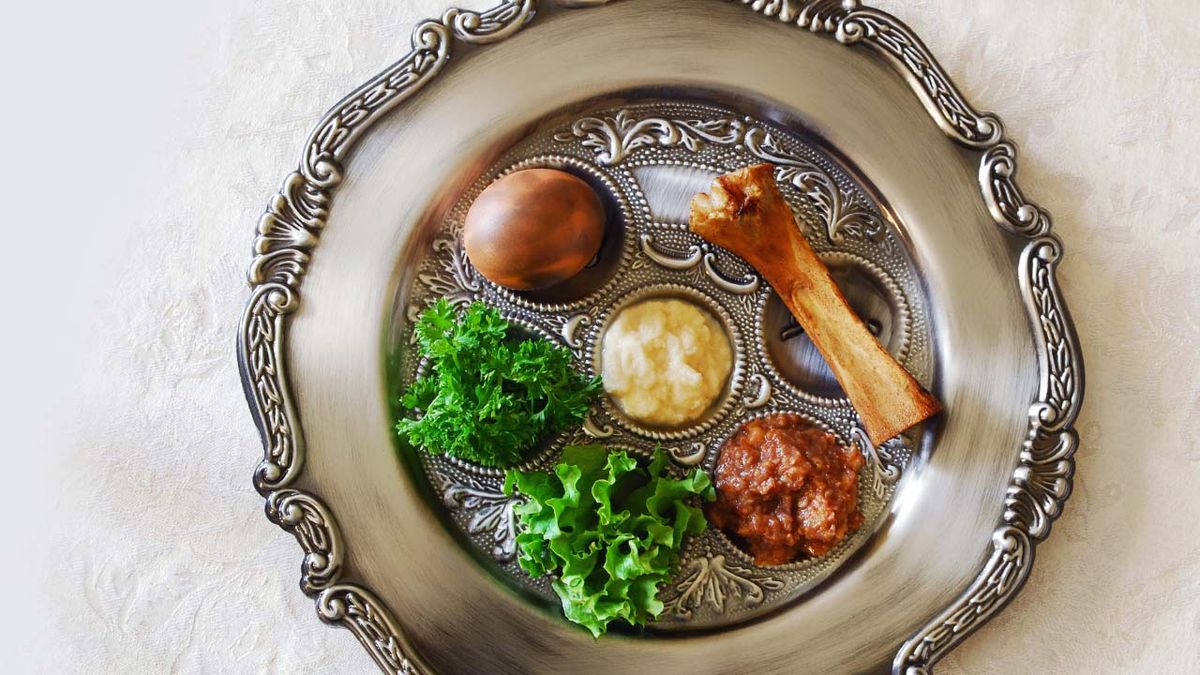
But let's back up a little. It is traditional to have three pieces of Matzah on the Passover table, often in the bag or somehow set on top of the main plate. And as celebrants go through the festive meal, they ritualistically interact with each piece of Matzah. In the very beginning, one of the three pieces of the unleavened bread is broken, wrapped in a napkin, and hidden. The celebration goes on, and after the meal, this piece of Matzah is found and shared with everyone as if it were an after-meal dessert. This is the traditional explanation.
Medieval commentators like Rashi (11th century CE) note that Afikoman means the portion after the meal, like the Greek ἐπικώμιον (Mishana, Pesahim, 10:8). This post-Talmudic custom uses the Greek term to denote the ritual's joyful conclusion. Ἐπί (epi) is a preposition "after," or "in addition to," indicating an extension. Κῶμος (komos) refers to carousing, or even to bacchanalian processions or a drinking party, probably related to κῶμα (koma) "deep sleep" from excess of wine. Thus, ἐπικώμιον (epikomon) was a moment when sweets and fruit were served in Greek celebrations. The Greek symposia term sort of fits, but the context of a wild Hellenistic afterparty does not align well with the holy tone of the Seder. It's truly puzzling why a Passover Afikomen (אֲפִיקוֹמַן) tradition would be tied to this.
 Pinchas Shir