
The Direction of our Prayers

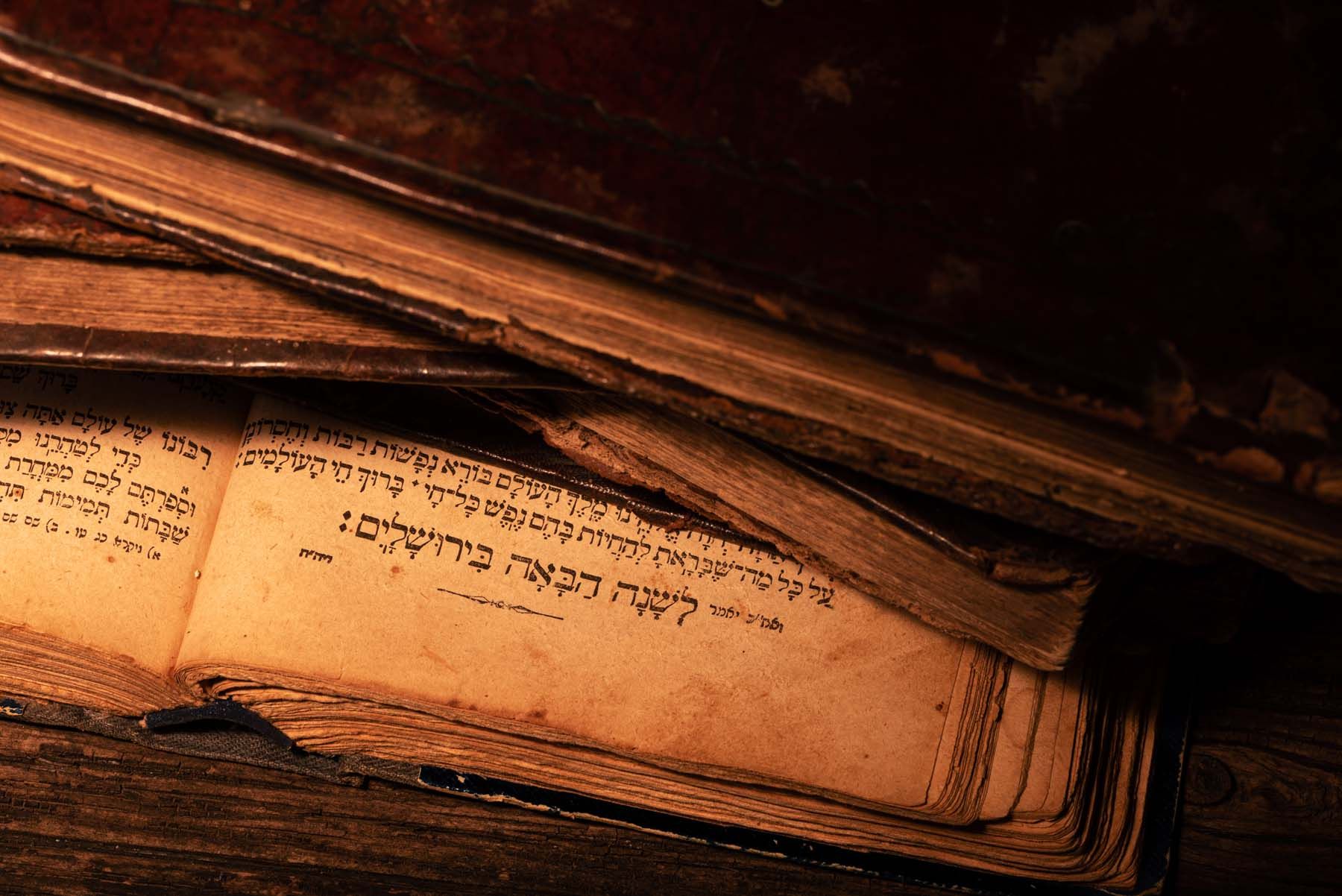
For thousands of years, Jews have been praying to God while facing Jerusalem. Muslims have a similar tradition. Only they bow toward the city of Mecca. Such cultural practice may seem a bit unusual for Christians who direct their gaze elsewhere, to the altar in front of them or to the heavens above. But for Jews facing Jerusalem during prayer is an ancient custom etched on the pages of the Bible (Daniel 6:10; 1 Kings 8:29-35). Of course, it's not about the city itself, but about the holy mountain, the spot God himself chose for his house three thousand years ago (1 Kings 8:44, 1 Chron 22:1-10). There is a special place where God manifested himself in the past, and people have not forgotten it.
This tradition of praying towards God's house has a considerable history, and I wanted to share a quote from Tosefta on Berachot 3 to expound on the exact reasons behind this unique custom. If you are wondering about how far back these words go, the text of Tosefta is quite ancient. It contains discussions of various Jewish traditions put into writing around the 3rd century CE. Of course, many of those traditions existed for much longer in oral form before they were finally expressed in writing. When Mishna was compiled, some of its content was redacted and set aside, and that body of text became known as Tosefta. It means “supplement" in Aramaic. So here are some sentiments from the sages about the direction of prayers from the supplement to Mishnah.
“A blind person and someone who cannot recognize the directions, [should] direct their hearts towards God, and [only then] pray, as it is said, “And they should pray to Hashem…” (I Kings 8:44)
Those that are standing outside of the Land of Israel [should] direct their hearts towards the Land of Israel, and [only then] pray, as it is said, “And those that pray to You by the way of their land…” (I Kings 8:48)
Those that are standing in the Land of Israel [should] direct their hearts towards Yerushalayim, and [only then] pray, as it is said, “And they will pray to Hashem by the way of the city that You have chosen…” (I Kings 8:44)
Those that are standing in Yerushalayim [should] direct their hearts towards Bet Hamikdash (Temple), as it is said, “…and they should pray towards this house.” (II Chronicles 6:32)
Those that are standing inside the Bet Hamikdash [should] direct their hearts towards the Holy of Holies and [only then] pray, as it is said, “… they will pray towards this place.” (I Kings 8:30)
It comes out that [all of those] standing in the north will be facing the south, [all of those] standing in the south will be facing the north, [all of those] standing in the east will be facing the west, [and all of those] standing in the west will be facing the east.
And it will come out that all of the Jewish people will be praying towards one place.” (Tosefta Berachot 3, quoted from Sefaria.org)
Wherever Jews live, communal prayers are always spoken with a particular direction in mind, orientation towards the Holy of Holies. The architecture of many modern synagogues today is designed to orient worshippers towards Zion. Many sway and rock as they whisper and pray, occasionally even bend their knees and bow, turning towards the last known resting place of God's glory. Why? Because the hope is that this presence will return. Some today realize that when praying on opposite sides of the globe, they are actually facing each other while lifting their voices in prayer to Hashem. If you reflect for a moment, it's a beautiful picture of unity that many hope will bring about the promised restoration. One day, every knee will bow.