The Angels of Punishment in Enoch and Revelation

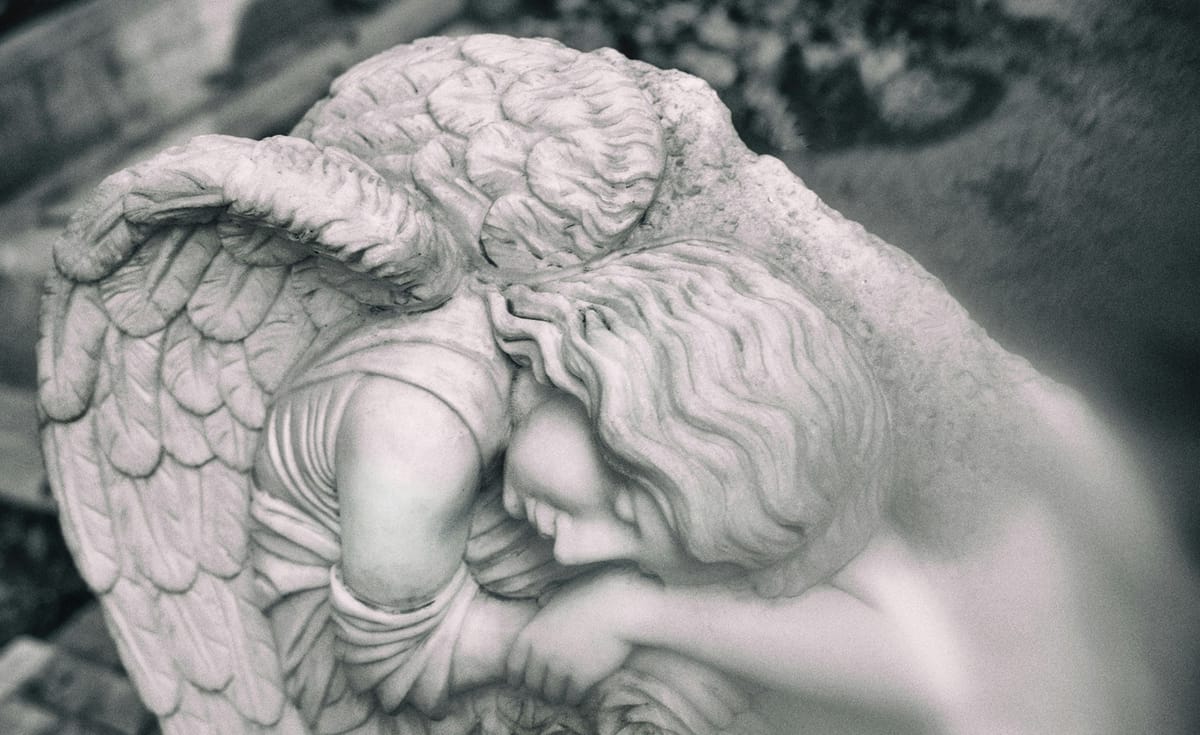
What comes to mind when you hear the word "angel?" Most people visualize some sort of human-looking figure with wings. Yes, some angels do have wings, but wings are not their most common feature. Best we can tell, there are many types of angels, and their duties, not their looks, are what define them the most. While most people think of angels as helpful and benevolent, some apparently administer punishments.
In Exodus 12:23, God promises that a “destroyer” (hamashchit; הַמַּשְׁחִית) will pass over the houses of the Israelites who put blood on their doors. Tradition understands this as the work of an angel. In 2 Samuel 24:16, we encounter a destroying angel (malakh hamashchit; מַלְאַךְ הַמַּשְׁחִית) who is restrained by God from striking Jerusalem. 2 Kings 19:35 is another example of such angels. An angel of punishment, an angel of destruction, an angel who deals out brutal damage on God's behalf, is one of the many varieties of angels.
One of the ancient sources that describes such punitive activity is the First Book of Enoch. Its traditions were compiled between the 3rd century BCE and the 1st century BCE, and today exist in one long book (1 Enoch). And here is what it relates to us.
I have seen the angels of punishment preparing Satan’s chains. I asked the angel of peace accompanying me: “For whom have these items been prepared?” And he told me: “These are prepared for the kings and the mighty of this earth so they may be destroyed along with them…” (1 Enoch 53 trans P. Shir)
 Pinchas Shir