Simon and the Jews of Cyrene

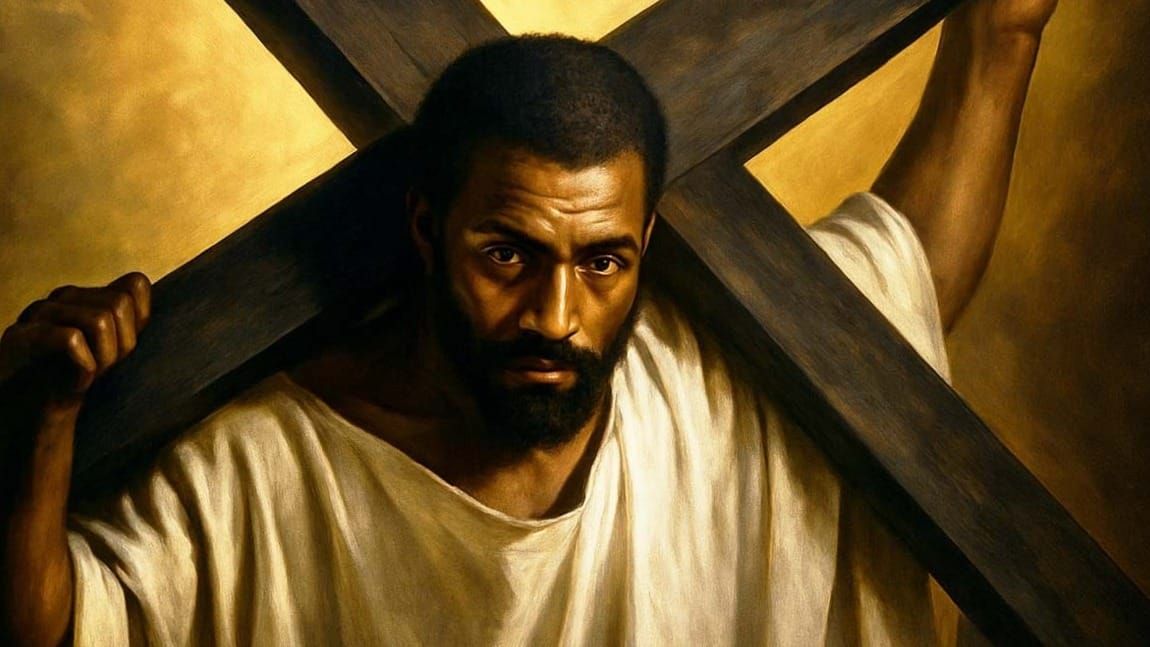
During the Second Temple Period, many Jews lived outside of Israel. And the city of Cyrene in Northern Africa was one of the major Jewish Diaspora centers. You may not have heard much about this city because its glory has disappeared from the pages of history, and it stands in ruins to this day. But the presence and the influence of Jews from Cyrene are reflected in several New Testament passages. Consider the famous Simon of Cyrene, who carried Jesus’ cross (Matt 27:32, Mark 15:21, Luke 23:26).
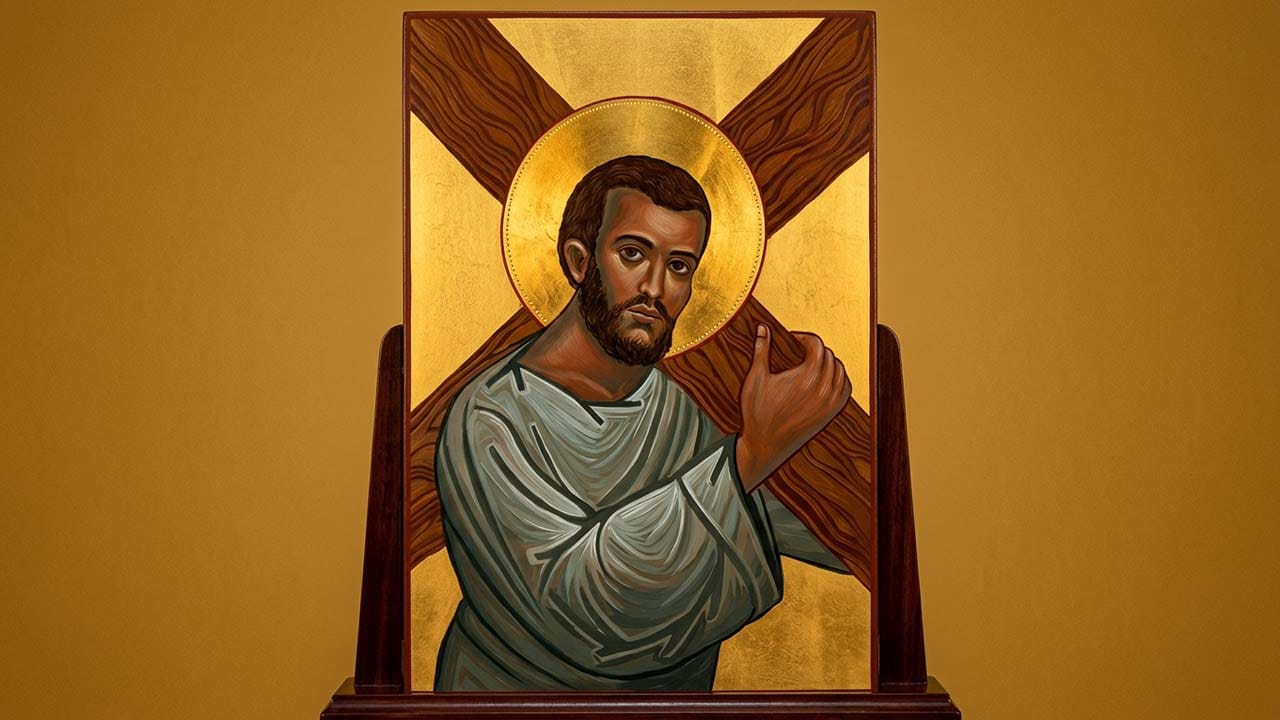
Many Bible readers assume that Simon was a native-born African. Therefore, the traditional depictions of Simon of Cyrene in church iconography imagine him as a dark-skinned man with traditional African features. He often looks like an Ethiopian and not very Middle Eastern. Naturally, the Bible does not tell us what he really looked like, so to be honest, all the images we have are the result of artistic imagination.
Whether Simon was dark-skinned or olive-skinned is not at all important, but he was probably not a native of Africa to begin with. History tells us that many Judeans were captured and taken into slavery under Pompey in 63 BC (Philo, Embassy to Gaius 23). They were scattered all over the Mediterranean Roman colonies, including the city of Cyrene, which the Romans occupied. So Simon was most certainly a Jew whose home was the African city of Cyrene, whether by choice or not.
Cyrene (Κυρήνη) was a city with an ancient history. Greek settlers from the Aegean island of Thera around 630 BC established it as an outpost (Herodotus, History, Book IV; Strabo, Geography, Book XVII). According to the ancient accounts, the Greeks who established this colony did so by following the instructions of the divine oracle in order to escape severe famine. The Greek colonists named their new African outpost after a nearby spring along the southern coast of the Mediterranean Sea in the vicinity of the modern village of Shahhat in Libya. Of course, most locals in Libya look quite African, but Cyrene was a Greek city, a new colony, and it was populated by outsiders.
Reading the gospels, we realize that Simon of Cyrene was not an African tourist on vacation in Jerusalem. He was a part of the traditional Passover pilgrimage (2 Chron 30:1; John 11:55). He was not a random visitor to the city, but a fellow pilgrim, someone who came to Jerusalem to worship. Was he a follower of a Galilean Rabbi? No, the Romans randomly drafted him from the street crowd to carry the load that Jesus could not endure by himself. In those days, it was not at all unusual for Jewish pilgrims from Cyrene to come to Jerusalem for festivals, and the city's streets were crowded.
 Pinchas Shir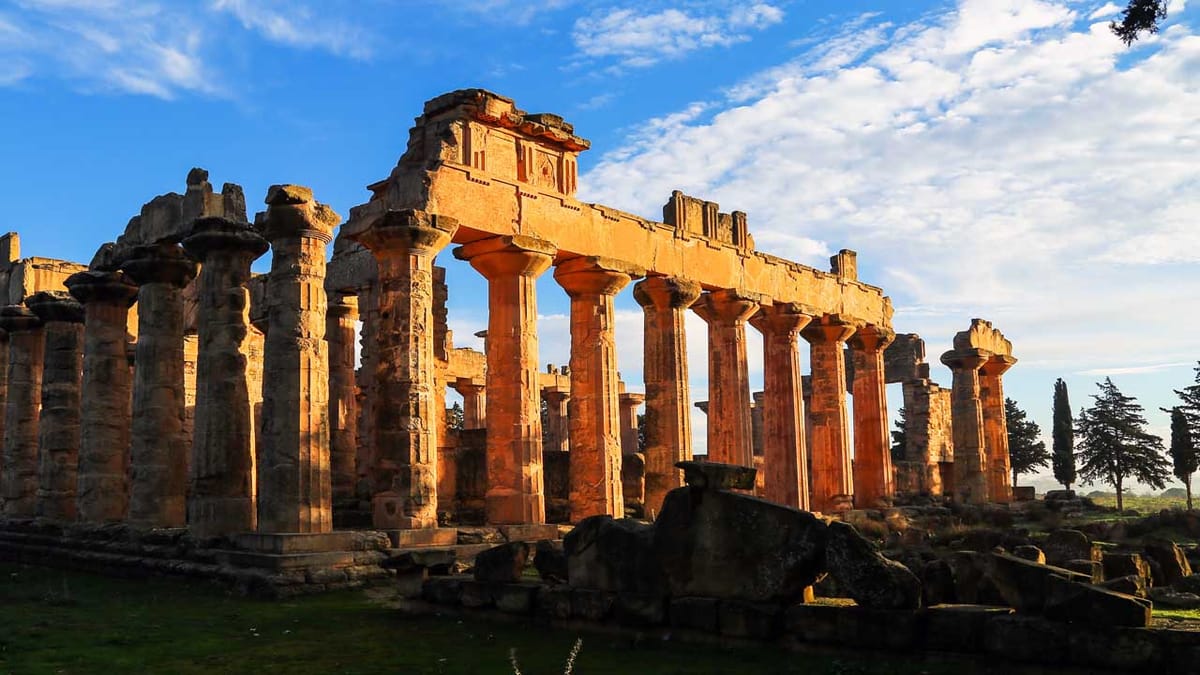
According to Acts, the Jews of Cyrene were among the pilgrims who heard Peter’s moving speech during Pentecost in Jerusalem (Acts 2:10). Some archaeologists think it is even possible that Jews from Cyrene had their own synagogue in first-century Jerusalem. In the book of Acts, we read about representatives of the Cyrene Jewish diaspora who belonged to the Synagogue of the Freedmen and opposed Stephen in Jerusalem (Acts 6:9).
Jews who lived in Cyrene retained a strong sense of their Israel-tied identity and familial connections. Simon likely had friends or contacts in the holy city. Some Jews of Cyrene were quite well-known. A man named Jason of Cyrene is considered to be the chronicler who preserved the historical events recorded in the Second Book of Maccabees (2 Macc 2:23). Knowing the history of the Jewish diaspora, understanding the customs of pilgrimage for the three major feasts makes it easy to connect the dots and understand better who Simon of Cyrene really was and what he was doing in the crowd. Simon has been canonized as a saint and lot of lore has been added to fill in the details the gospel story never provides. But what history can tell us Simon was a pious Jew on pilgrimage who encountered Jesus up close in his darkest hour.
 Pinchas Shir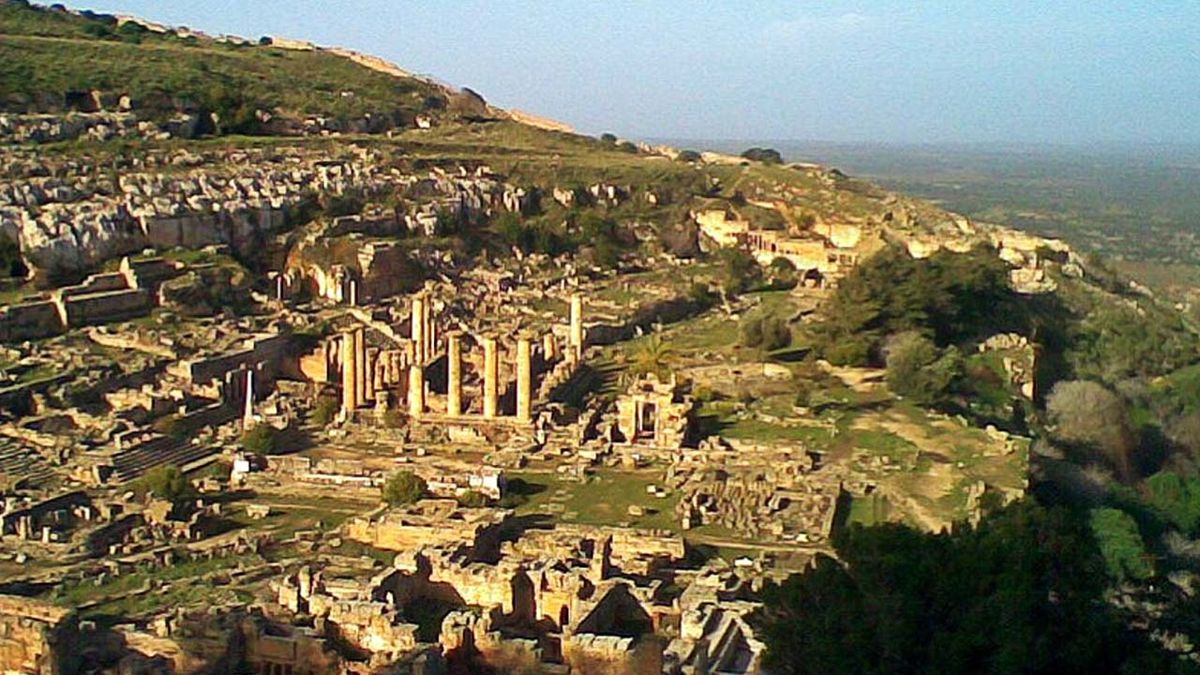
 Pinchas Shir