A Morning Prayer: May Your Will Always Be...


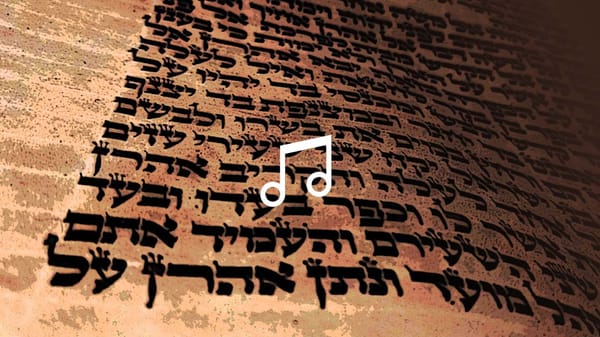
I wanted to share with you a Morning Prayer and, more specifically, a musical piece I created based on it. The words of this song are inspired by the words of the traditional morning blessings found in the Siddur (Jewish Prayer Book). The person who is praying in the early hours of the day is offered a list of "blessings" (בְּרָכוֹת; brachot) - expressions of gratitude to God for various things. The words are quite old, and some things that the prayer thanks God for may even sound odd to modern people. The video begins with Hebrew, but don't worry, I will include the English too.
The phrase that strikes some people as odd is "thank you, God, for not making me a non-Jew, a slave of a female." On the surface, it looks like - "thank God I am not one of those!" But that is not at all what these words mean. In ancient minds, whether one is a Jew or a non-Jew, whether one is a slave or a free person, whether one is a male or a female, outlined one's specific religious and social responsibilities. One's status determined what one was supposed to do.
A Jew is responsible for more commandments than a non-Jew. So, more chances to honor God through action. Commandments are opportunities to show devotion to God, and some receive more of such opportunities than others, at least in traditional Jewish understanding. If God gave you more opportunities than someone else, then go ahead and thank him for the privilege and use the opportunities as intended. In Judaism, a male has more commandments than females do, particularly ones bound by the confines of time. And one of such commandments is "to come before his maker in the morning upon arising." In traditional Jewish practice, a morning prayer is a requirement for male Jews and an option for females. So the male worshipper thanks God for giving him greater opportunities to demonstrate faithfulness in obedience.
The words of the prayer in this song are spoken from a male perspective, and hopefully, with my explanation, they make a bit more sense. The particular blessing that sometimes causes offence simply expresses a value that everyone should render worship unto the LORD in accord with one's status. A slave is expected to serve God differently from a free person, a male differently from a female, etc. Maybe that's old-fashioned for some people, but such are the ancient words with which traditional Jewish prayer in the Siddur leads.
Here are the lyrics:
Blessed are You, ADONAI our God, King of this world... Who gave us the common sense to tell between day and night. You did not make me a non-Jew, a slave, or female, so here I am...
The blind eyes you open, God, and you clothe the naked, the bound you release, and straighten the bent. You spread the soil over the waters, supply all my needs, and even now all my steps you arrange, oh-ooh-oh... With might you clothe Israel, crown your people with beauty, LORD, You always give strength to the weary, O God, and even now sleep and slumber remove from my eyes.
May Your will always be, O, God of our fathers,
Help us walk in your teachings, cling to your commandments.
And do not lead us to sin, to test or fall in disgrace.
בָּרוּךְ אַתָּה יהוה אֱלֹהֵינוּ מֶלֶךְ הָעוֹלָם
אֲשֶׁר נָתַן לַשֶּׂכְוִי בִינָה לְהַבְחִין בֵּין יוֹם וּבֵין לָֽיְלָה
שֶׁלֹּא עָשַׂנִי גּוֹי אוֹ עָבֶד אוֹ אִשָּׁה
פּוֹקֵחַ עִוְרִים מַלְבִּישׁ עֲרֻמִּים מַתִּיר אֲסוּרִים זוֹקֵף כְּפוּפִים
רוֹקַע הָאָרֶץ עַל הַמָּיִם שֶׁעָשָׂה לִי כָּל־צָרְכִּי הַמֵּכִין מִצְעדֵי גָבֶר
אוֹזֵר יִשְׂרָאֵל בִּגְבוּרָה עוֹטֵר יִשְׂרָאֵל בְּתִפְאָרָה
הַנּוֹתֵן לַיָּעֵף כֹּֽחַ הַמַּעֲבִיר שֵׁנָה מֵעֵינָי וּתְנוּמָה מֵעַפְעַפָּי
יהִי רָצוֹן אֱלֹהֵינוּ
וֵאלֹהֵי אֲבוֹתֵינוּ
שֶׁתַּרְגִּילֵנוּ בְּתוֹרָתֶךָ
וְדַבְּקֵנוּ בְּמִצְוֹתֶיךָ
וְאַל תְּבִיאֵנוּ לֹא לִידֵי חֵטְא
וְלֹא לִידֵי נִסָּיוֹן אוֹ בִזָּיוֹן
Thanks for listening...